
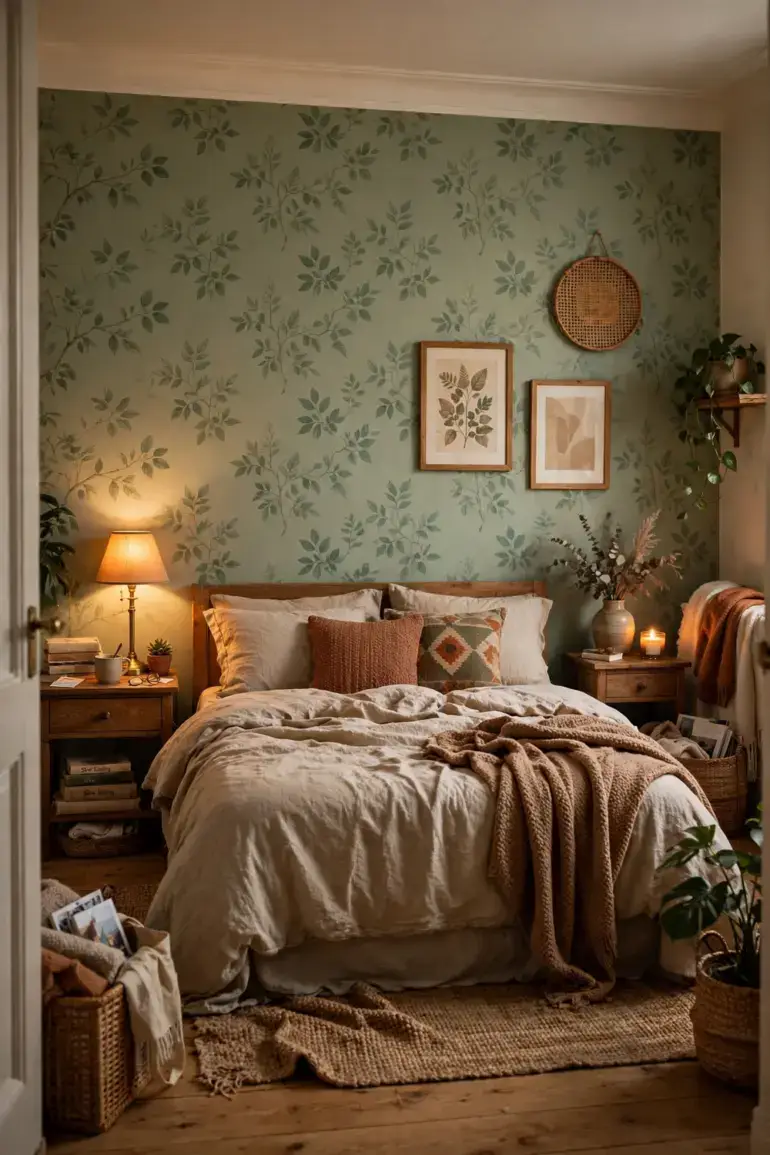
One wall. One roll. One afternoon. Peel-and-stick wallpaper is the fastest way to give a rental room a backbone, and it comes off when you move.
You do not paper a whole room. You paper one wall, the one you see first when you walk in. One wall is a statement. Four walls is a much bigger bill.
Step 1: Pick the Wall You See First
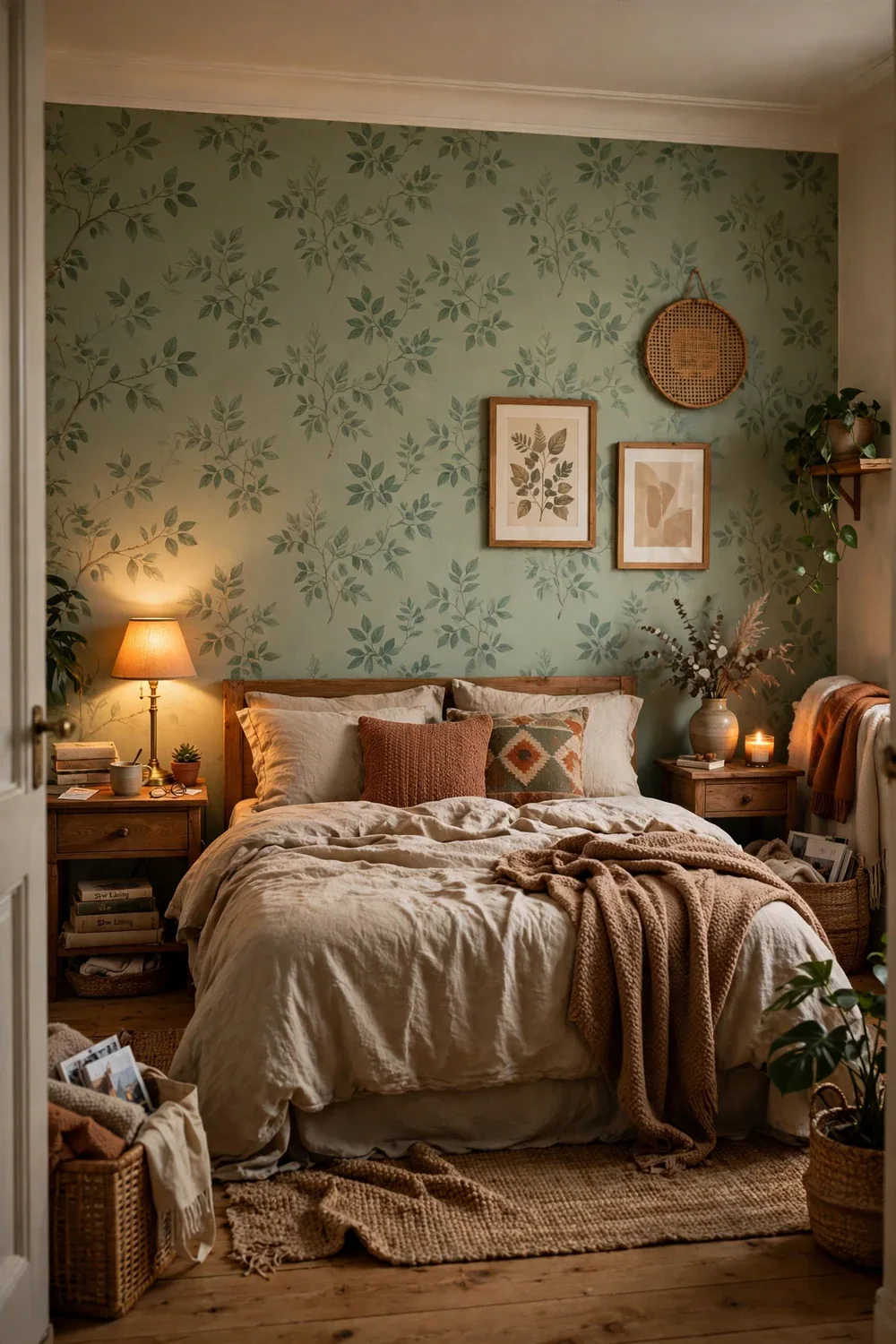
Stand in the doorway and look in. The first wall your eyes land on is the one. The same wall takes paint just as well, and our one wall guide shows how to start bold with a single wall. In a bedroom it is usually the wall behind the bed.
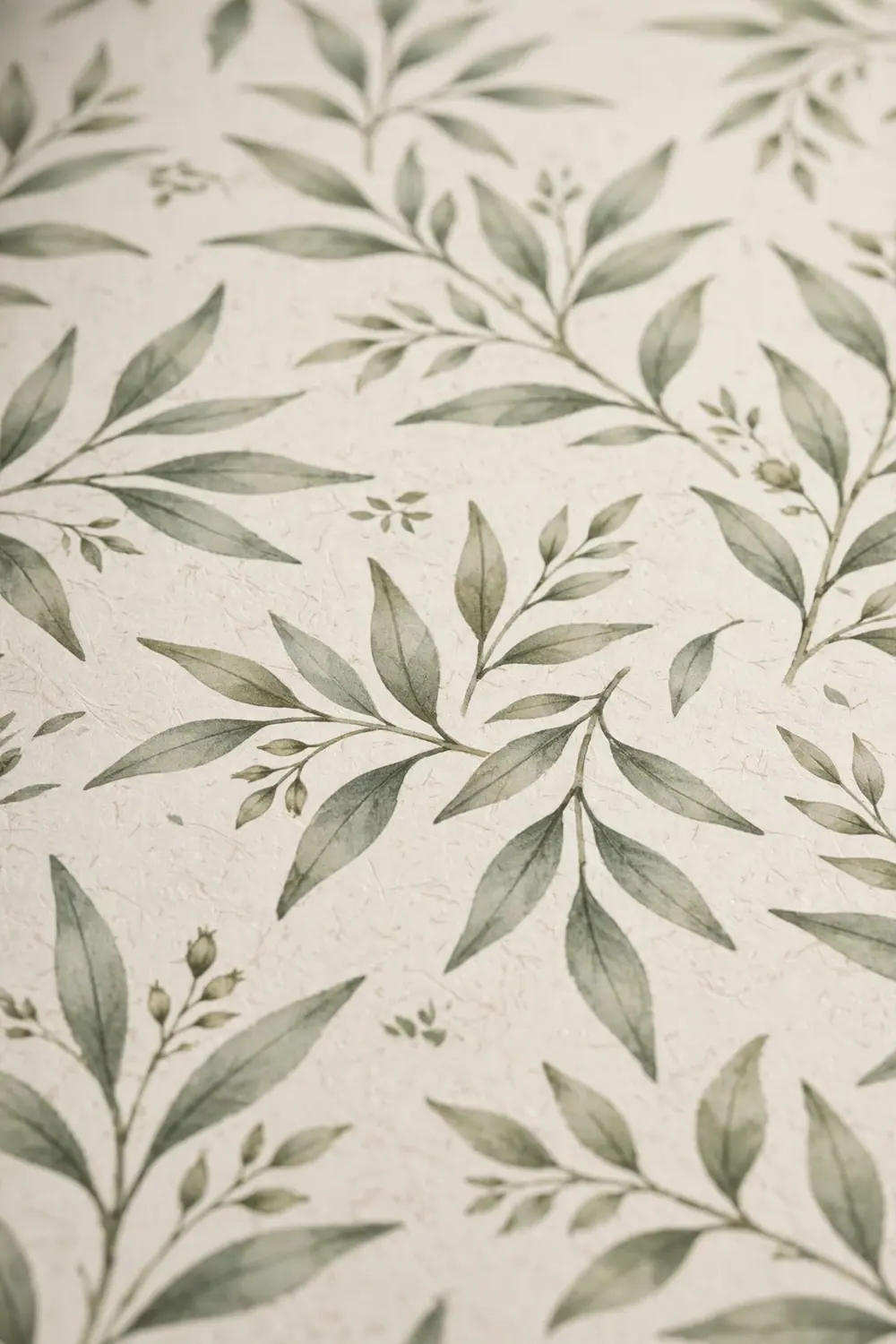
Pick a pattern you will still like in a year. Soft sage leaves, warm terracotta arches, or a quiet stripe all work. Loud patterns look fun in the store and tiring at home. If you are unsure, pick the calmer one.
Step 2: Measure Twice, Order One Extra Roll
Measure the wall width and height in two places, not one. Old walls are rarely straight, and the high number is the one that matters. Straight walls are rare in rentals, and our gallery wall guide shows how to hang a full wall without drilling. Divide the width by the roll width to get the number of strips, then add one extra roll.
One extra roll sounds wasteful until you cut a strip upside down or run short by six inches. Wallpaper with a pattern needs extra paper to line the pattern up.
Step 3: Clean the Wall and Test a Small Piece
Peel-and-stick paper sticks to clean, smooth, painted walls. It does not stick to dust, grease, or old flaking paint. Clean walls take color better too, and our bold color guide shows how to pick one deep shade for a small room. Wash the wall with soap and water, let it dry fully, and then stick one small test piece in a corner.
If you rent, do this instead: leave the test piece up for 48 hours, then peel it off and check the paint underneath. If the paint comes with it, stop. A big printed textile hung from a rod will give you the same color without the risk.
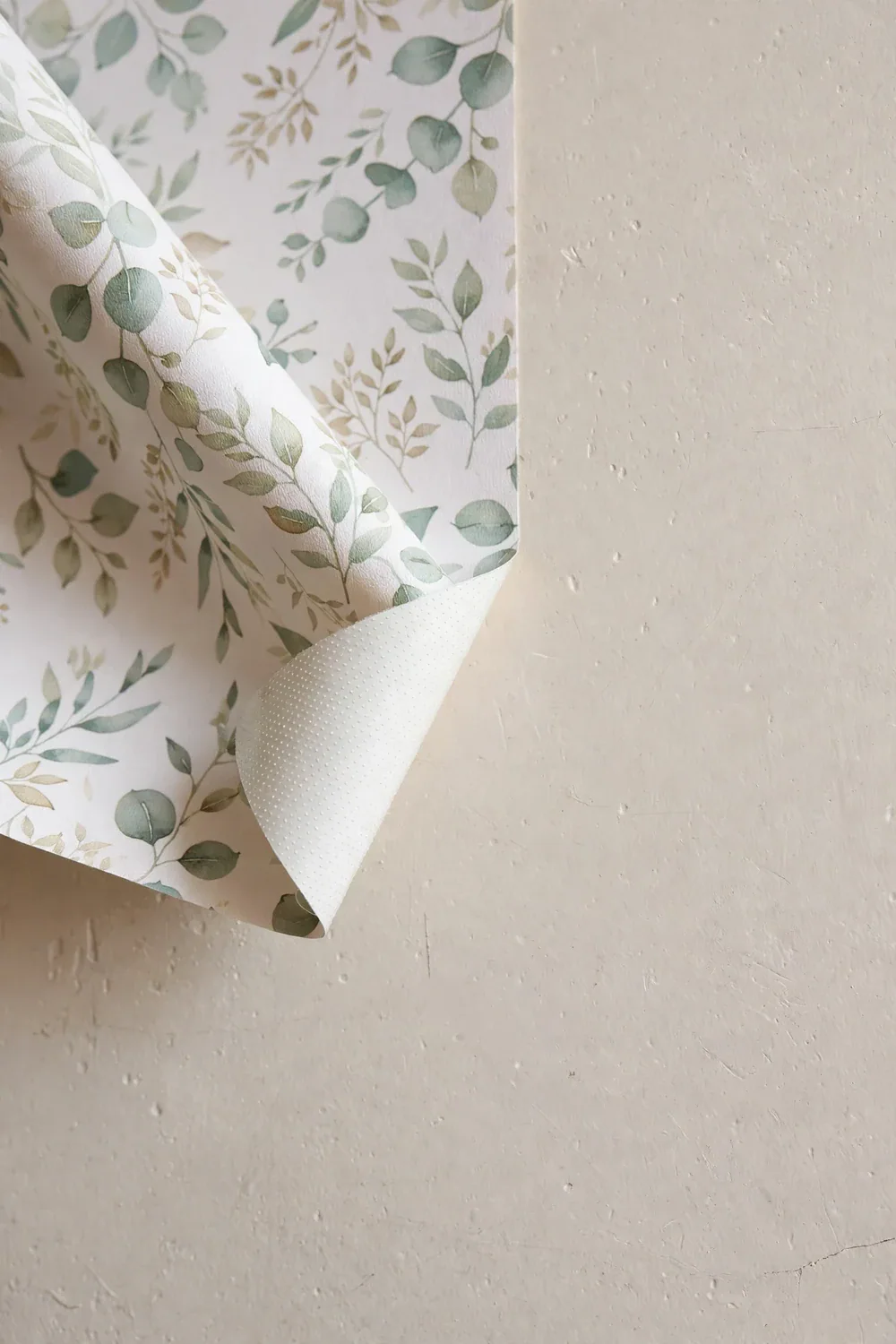
Step 4: Start at the Top and Smooth as You Go
Peel the backing off the top few inches only, not the whole strip. Line the top edge up with the ceiling, press it on, and smooth down with a plastic smoother or a clean cloth as you peel the backing away, a little at a time.
Work from the middle of the strip outward to push the air out. Small bubbles can be smoothed toward the edge. Go slow. A strip put on straight saves you from peeling it off and starting again.
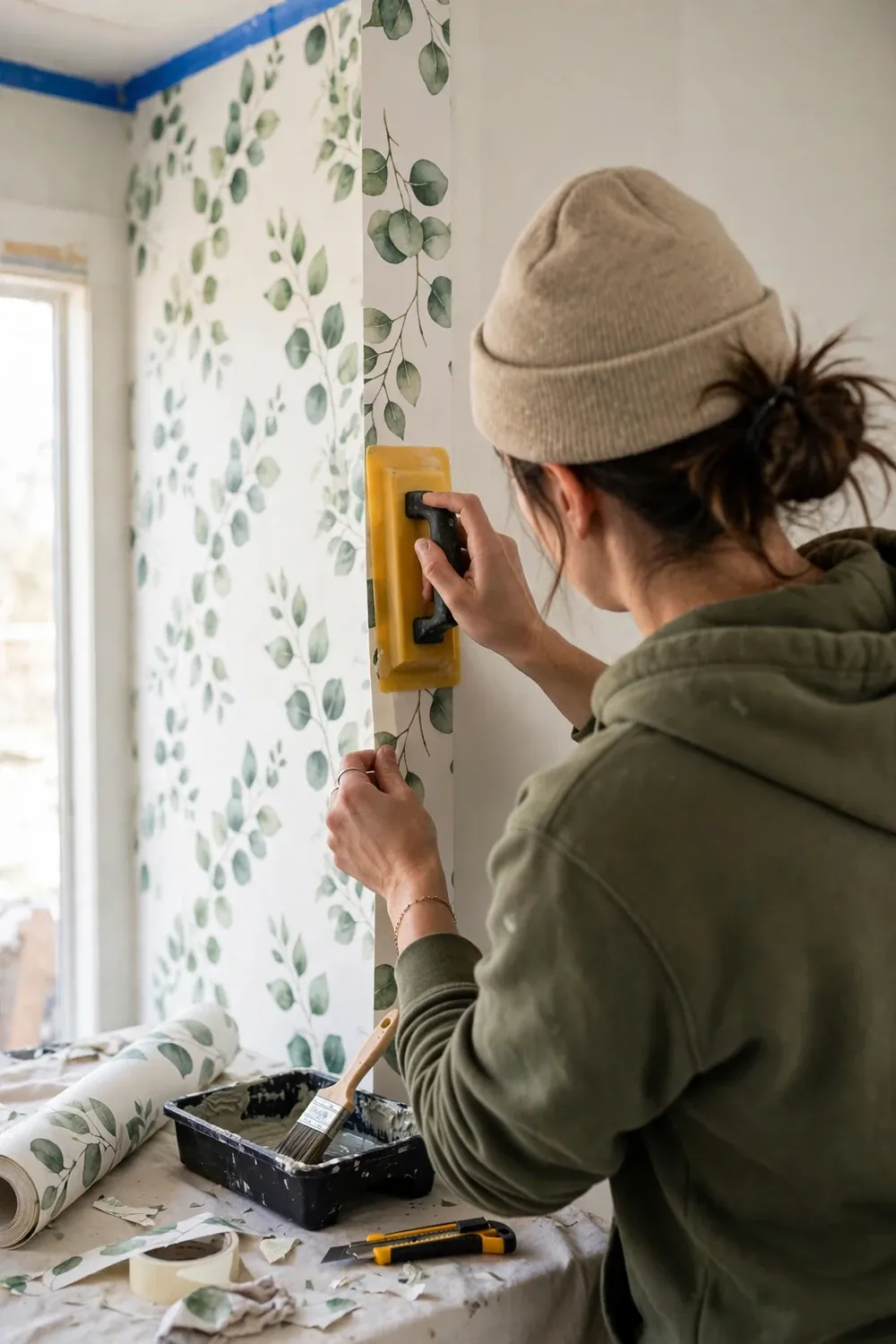
Step 5: Trim the Edges and Fix the Bubbles
When the strip is up, trim the extra paper at the ceiling and the floor with a sharp blade and a straight edge. Change the blade often. A dull blade tears the paper and the edge looks rough.
For bubbles that will not smooth out, prick them with a pin and press the air out. For a seam that lifts, warm it with a hair dryer and press it flat. Small fixes are normal.
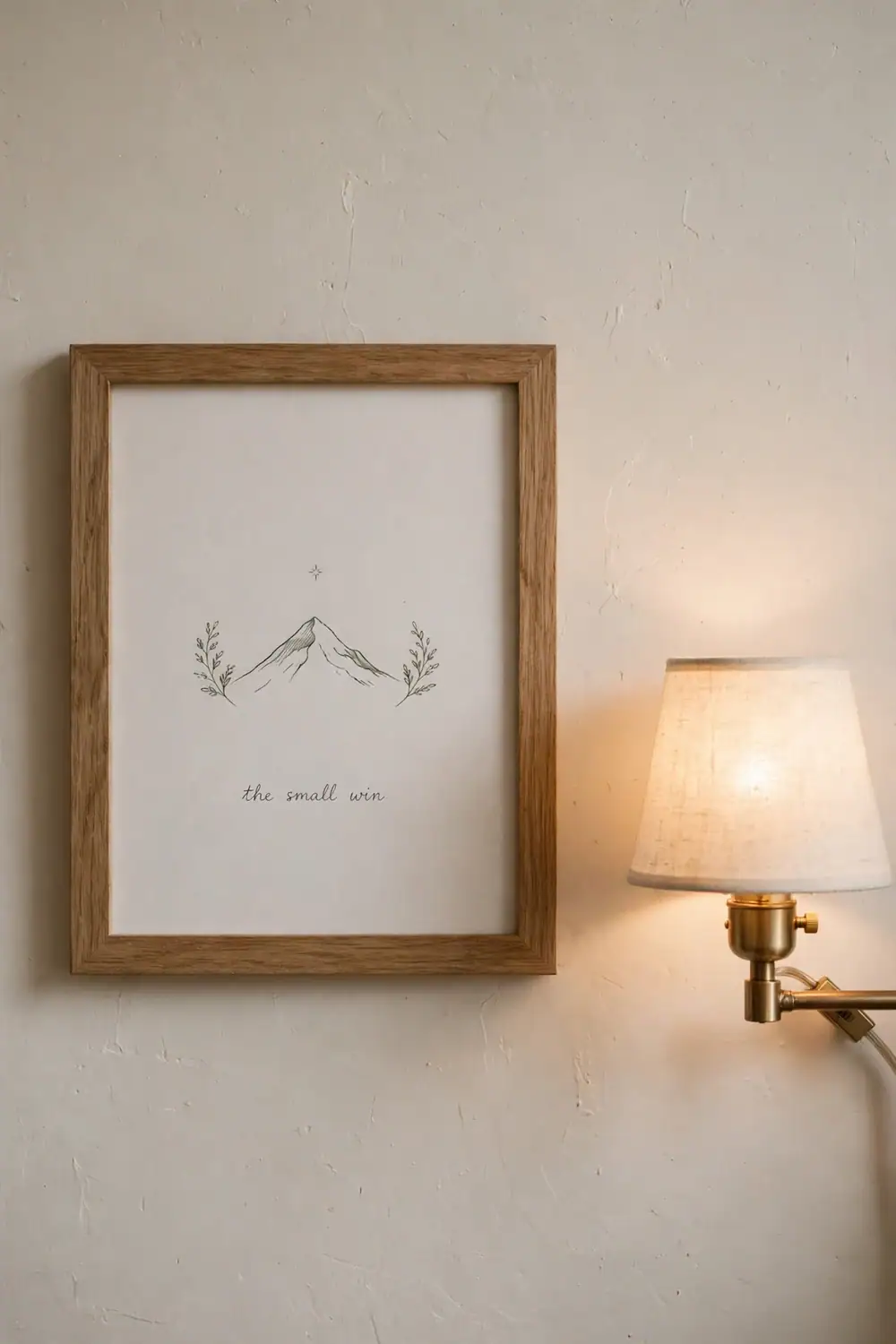
Step 6: Style the Wall So It Looks Finished
A papered wall with nothing on it looks half done. Add one frame and one lamp and the wall looks deliberate. Hang the frame with a removable strip so the wall stays damage free. Put a small lamp on the nightstand or the sideboard next to it.
Keep the rest of the room calm. The wall is the bold move. Let it be the only bold move in the room.
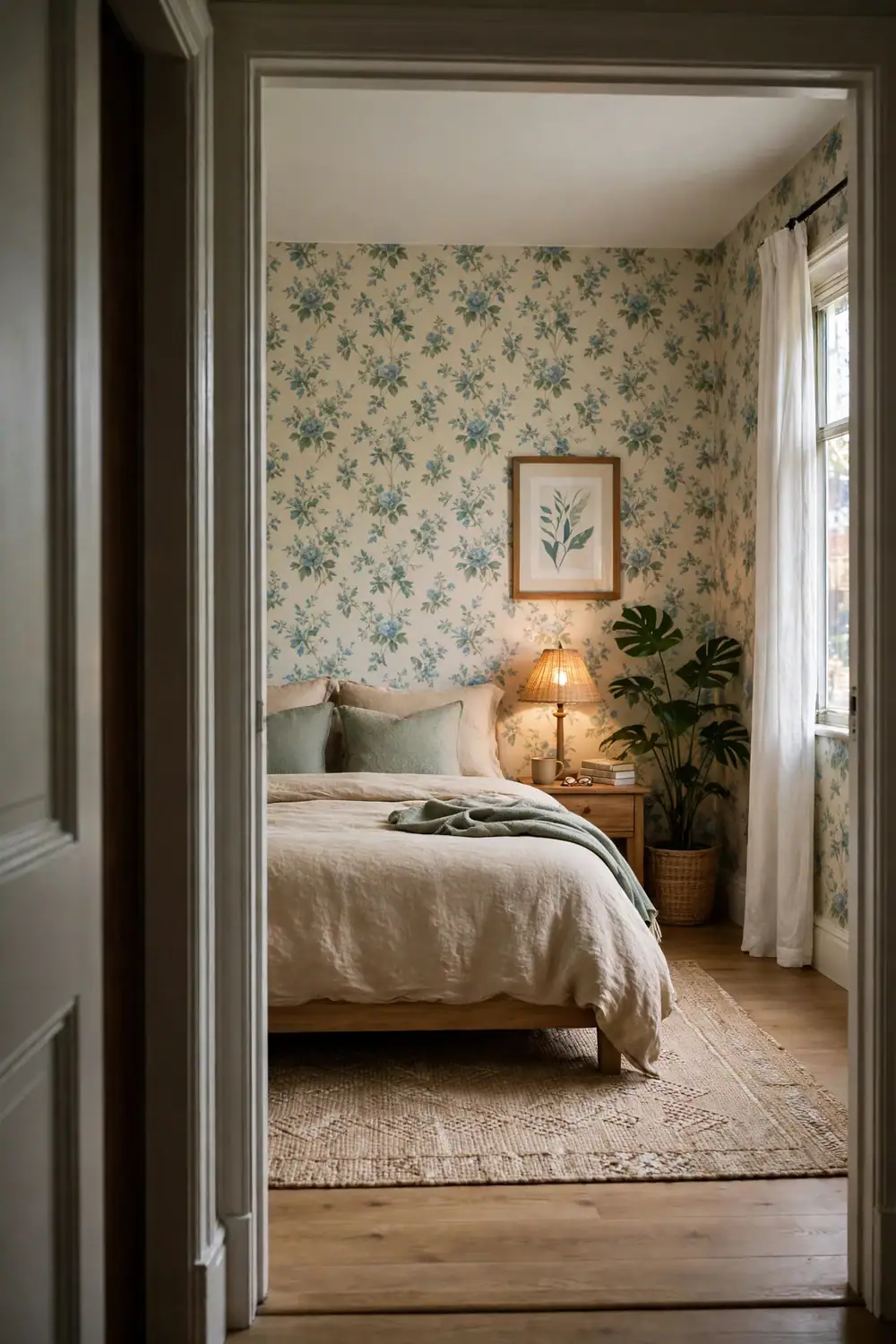
Before and After
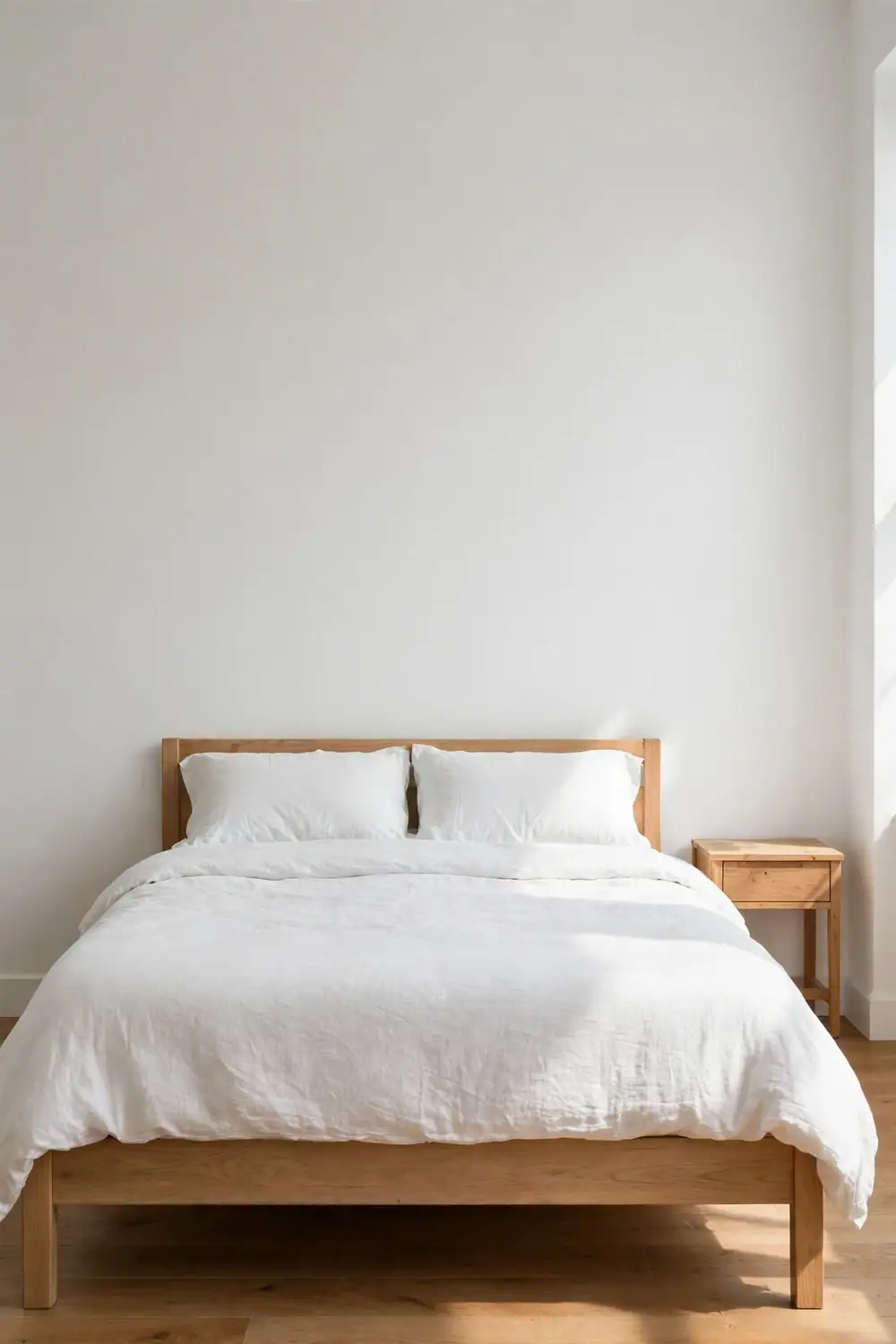
Before: a plain white wall behind the bed, nothing on it, and a bedroom that could belong to anyone. The room felt like a hotel room, not a home.
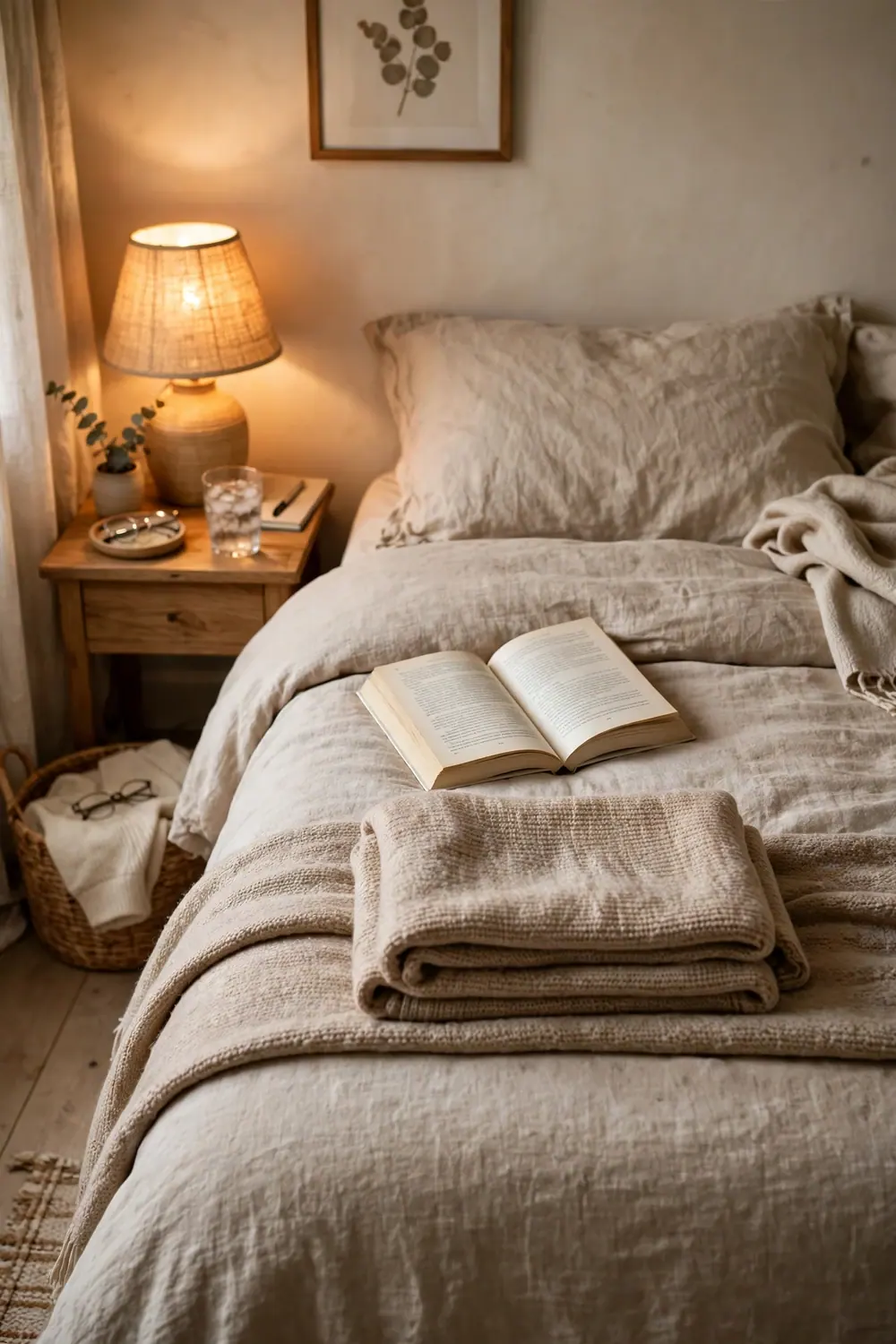
After: one wall in soft sage leaves, a frame hung on a removable strip, a warm lamp on the nightstand, and a bed that finally has a backdrop. Same room, same lease, same deposit.
What Went Wrong
I started with the second strip instead of the first and the pattern did not line up. I had to peel both strips off and start over. Start at the left edge of the wall and work right, lining each new strip up with the one before it.
What It Cost
| What I bought | Cost |
|---|---|
| Peel-and-stick wallpaper, 2 rolls | $30-$70 |
| Plastic smoother and sharp blades | $8-$15 |
| Removable hanging strip and frame | $10-$20 |
| Small lamp and warm bulb | $15-$30 |
| Total | $63-$135 |
Cheaper if you thrift it / use what you have / wait for a sale.
Get the Look
Peel-and-stick wallpaper in soft sage leaves. A plastic smoother and a sharp blade. One frame on a removable strip. A small lamp with a warm bulb. Plain bedding in cream so the wall does the talking.
FAQ
Will it really come off without damage?
On smooth, painted walls in good condition, yes. Warm it with a hair dryer and peel slowly from a corner. On old or flaking paint it can pull paint off, which is why the test matters.
Can I use it in a bathroom?
Only in a bathroom with good ventilation. Steam loosens the adhesive over time. Use it on a wall far from the shower, or skip it and use a big framed print instead.
What if my wall is textured?
Light texture is fine. Heavy texture is not. The paper needs a flat surface to stick to.
How much paper do I need for one wall?
Measure the wall, divide by the roll width, and add one extra roll. A standard bedroom wall takes two rolls. A living room wall takes three.
Can I reuse it in my next apartment?
No. Once it is peeled off, the adhesive is done. Treat it as a one home cost, like paint.